
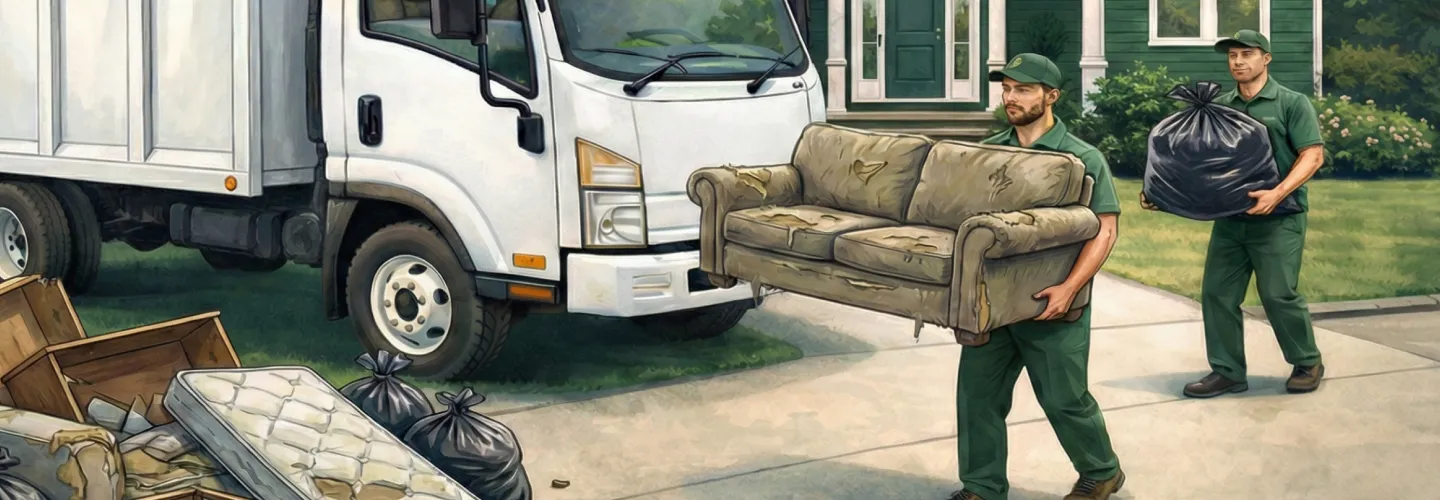
Dover Restaurants Junk Removal Services
Choose our Restaurants Junk Removal for prompt, professional service that keeps your kitchen and dining areas spotless—so you can focus on serving your customers, not worrying about waste.
Get a Free QuoteOur Dover Junk Removal Services
Restaurants Junk Removal in Dover, MA – Local Service Guide
Restaurants in Dover, MA face unique junk removal challenges, from seasonal renovations to daily operational waste. In areas like Dover Center and Powisset Street, local eateries often need prompt removal of old kitchen equipment, furniture, and packaging materials. Timing is crucial—many restaurants schedule junk removal after major events or before new menu launches. Local regulations require proper sorting and disposal, with options to donate usable items or recycle metals and electronics. Access can be tricky in historic districts, so professional crews plan for narrow alleys and limited parking. Weather, especially during New England winters, can impact scheduling and logistics, making flexible service essential. For larger projects, such as full kitchen remodels or post-construction cleanouts, coordination with property managers and adherence to Dover’s waste guidelines is key. For more on local disposal rules, visit the Town of Dover official website.
Benefits of Restaurants Junk Removal in Dover
Fast and Reliable Service
Eco-Friendly Disposal Solutions
Experienced Junk Removal Team
Flexible Scheduling Options
Comprehensive Cleanout Services
Competitive Pricing for Restaurants
Coordinating Restaurant Junk Removal with Dover’s Solid Waste Management Programs
Restaurants in Dover, MA must adhere to the city’s solid waste management protocols for the disposal of bulk items, kitchen equipment, and general refuse. The Dover Department of Public Works oversees commercial waste collection, including scheduling for bulk trash removal and access to the municipal transfer station. Key requirements include:
- Bulk item pickups must be scheduled in advance; call at least 48 hours prior to collection
- The Dover Transfer Station (open Monday–Saturday, 7:00 AM–5:00 PM) accepts commercial loads with a valid permit
- Disposal fees are assessed by weight or volume (typically $35 per ton, $10 minimum)
- Restaurants must separate recyclables from landfill waste per city ordinance
- Prohibited items (hazardous waste, electronics) require special handling
Department of Public Works
5 Springdale Avenue, Dover, MA 02030
Phone: (508) 785-0032
Official Website: Department of Public Works
Failure to comply with Dover’s waste management rules may result in code violations or fines. Review the city’s solid waste management page for current schedules and requirements.
Navigating Dover’s Health and Environmental Regulations for Restaurant Waste
Dover restaurants must comply with both local and state environmental regulations governing waste disposal. The Massachusetts Department of Environmental Protection (MassDEP) enforces landfill bans on materials such as electronics, mercury-containing devices, and certain food wastes. Dover’s Health Department also monitors restaurant waste handling to prevent public health risks. Key compliance points include:
- Separate food waste for composting or organics recycling where required
- Do not dispose of electronics, fluorescent bulbs, or mercury thermostats in regular trash
- Maintain records of hazardous waste manifests for regulated materials
- Ensure grease traps are serviced regularly and waste oil is recycled
- Participate in annual hazardous waste collection events for chemicals and cleaning agents
Department of Health
5 Springdale Avenue, Dover, MA 02030
Phone: (508) 785-0032
Official Website: Department of Health
For a full list of banned materials and recycling mandates, consult the Massachusetts Department of Environmental Protection.
Permit and Access Requirements for Restaurant Junk Removal in Dover
Proper permitting and site access are essential for restaurant junk removal in Dover. The city requires right-of-way permits for removal trucks parked on public streets, especially in commercial districts or areas with limited parking. Restaurants undergoing renovation or equipment replacement may also need building permits for debris removal. Important considerations include:
- Apply for right-of-way permits at least 5 business days in advance (fees typically $50–$150)
- Confirm loading zones and parking restrictions with the Department of Public Works
- For renovations, obtain building permits and coordinate with Code Enforcement
- Ensure removal crews have clear access to service entrances and loading docks
- Notify neighboring businesses if large-scale removal may impact shared spaces
Department of Code Enforcement
5 Springdale Avenue, Dover, MA 02030
Phone: (508) 785-0032
Official Website: Department of Code Enforcement
Review Dover’s permit application procedures and coordinate with city officials to avoid delays or violations.
Recycling and Material Separation Mandates for Dover Restaurants
Dover enforces strict recycling and material separation requirements for commercial establishments, including restaurants. All recyclable materials—such as cardboard, glass, metals, and certain plastics—must be separated from landfill waste. The city’s transfer station provides designated bins for sorted recyclables, and state law prohibits disposal of certain items in landfills. Key mandates include:
- Cardboard and paper must be flattened and placed in recycling containers
- Glass bottles, aluminum cans, and plastics #1–#7 are accepted for recycling
- Food waste should be composted or sent to an organics processor if available
- Appliances and electronics require special drop-off at designated facilities
- Violations of recycling mandates may result in fines of $100–$500 per incident
For more information on recycling programs and accepted materials, visit Dover’s solid waste management page or the MassDEP recycling guide.
What Neighborhoods Do We Serve Throughout Dover, MA?
- Dover Center: Home to many of Dover’s restaurants and small businesses, this area features older buildings with limited rear access and narrow streets, requiring careful scheduling and smaller removal vehicles.
- Chase Woodlands: Predominantly residential but includes several eateries; wide driveways allow for easier truck access, but HOA rules may restrict curbside placement of bulk waste.
- Springdale: Features a mix of historic properties and newer developments; restaurants here must coordinate with the city for right-of-way permits due to limited street parking.
- Noanet Woodlands: Rural setting with longer driveways and soft ground conditions; site assessments are recommended before scheduling large-scale junk removal.
- Powisset Farm Area: Restaurants in this agricultural district often generate organic waste; composting and organics recycling are emphasized, and access roads may require advance planning for heavy vehicles.
- Centre Street Corridor: Commercial strip with multiple dining establishments; shared loading zones and high traffic require advance notification to neighboring businesses and adherence to strict loading schedules.
State Solid Waste Laws and Dover’s Restaurant Junk Removal Compliance
Massachusetts law prohibits the disposal of certain materials—including electronics, appliances with refrigerants, and food waste—in landfills. Restaurants in Dover must comply with these bans and participate in state-mandated recycling and diversion programs. Key legal requirements include:
- Electronics (e-waste) and mercury devices must be recycled through approved programs
- Appliances require refrigerant removal by certified technicians before disposal
- Food waste diversion is encouraged for large generators under state organics ban
- Violations of state solid waste laws may result in penalties up to $25,000 per day
- Annual reporting may be required for large commercial waste generators
For comprehensive guidance, consult the Massachusetts Department of Environmental Protection and review the state solid waste regulations.